 ×
×
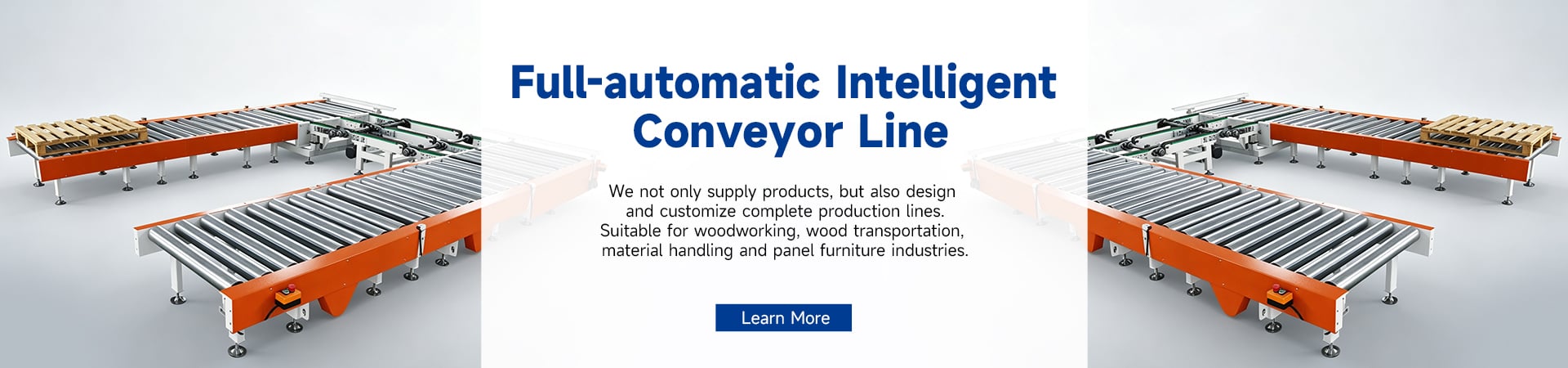
Ağır MDF, parçacıklı lövhə və ya faneer lövhələri ilə ağac emalı maşınxanasında hərəkət etmək istehsal xəttində ən çox əmək tələb edən işlərdən biridir. İki və ya üç işçi gərginlik içində çalışır, lövhələr val rollerdən sürüşür və bahalı lövhə səthləri onlar maşına çatmadan əvvəl xərək olur. havada üzən stol bu problemi havaya əsaslanan sadə bir həll ilə həll edir — və bu, əvvəllər iki və ya üç nəfərin tələb olunduğu panel-ləri yalnız bir operatorun hərəkət etdirməsinə imkan verir. Bu təlimatda biz hava yastığı masasının nə olduğunu, necə işlədiyini, hansı sahələrdə hava yastığı masası ən sürətli qayıtma verdiyini və panel emal xəttiniz üçün doğru hava yastığı masasını necə seçməyinizi izah edirik.
Hava yastığı masası — panel-ləri masanın səthindən bir qədər yuxarı qaldırmaq üçün sıxılmış havadan istifadə edən bir material idarəetmə iş səthidir. Hava masanın səthindəki nozullar və ya dəliklər vasitəsilə panel-in altına verilir və panel-in altında nazik bir hava yastığı yaradır. Panel bu yastığın üzərində yüngül şəkildə üzür, buna görə də onu sürüşdürmək, fırlatmaq və yerləşdirmək üçün demək olar ki, heç bir fiziki səy tələb olunmur — panel-in altındakı valollar, sürtünmə və ya itələmək üçün çətinlik yaradan ölü yük yoxdur.
Hava yastığı masasının işləmə prinsipi sadə, lakin effektivdir. Sıxılmış hava səth üzrə bərabər şəkildə paylanır və çıxan hava panel ilə masa arasındakı mikro-qalın filmi əmələ gətirir. Panel hərəkət edərkən masa ilə heç vaxt təmas etmədiyindən sürtünmə demək olar ki, sıfırdır və lövhənin səthi xətlənmədən qalır. Yaxşı hazırlanmış hava yastığı masası bu hava yastığını sərt polad çərçivə ilə birləşdirir və operatorlara sabit iş platforması təqdim edir ki, bu da istifadəsi çox asandır. Buna görə də hava yastığı masası müasir lövhəli mebellər zavodlarında standart avadanlıq kimi qəbul edilmişdir.
Hava yastığı masasının necə işlədiyini başa düşmək, düzgün modelini seçməyi asanlaşdırır. Tipik bir hava yastığı masasının işləmə ardıcıllığı aşağıdakı kimidir:
Havada üzən cədvəl sabit sıxılmış hava təchizatına əsaslanır; buna görə də quraşdırma əvvəlində mağazanın hava təzyiqi və axını yoxlanılmalıdır. Bəzi havada üzən cədvəl modelləri zonalar üzrə idarəetmə funksiyasına malikdirlər ki, bu da operatorlara yalnız panelin hərəkət etdirildiyi yerlərdə hava yastığını aktivləşdirməyə imkan verir. Digərləri isə dayandırıcılar, yön verən raylar və konveyer bölmələri ilə inteqrasiya edilə bilər və tam bir daşınma stansiyası yaradır. Hər halda havada üzən cədvəl ağır lövhələrin daşınmasını çətinləşdirən sürtünməni aradan qaldırır.
Bu üstünlüklər, istehsal həcminin artması ilə birlikdə müdirlerin əl ilə işləyən val roller stollarını hav üzərində yüzdürmə stolu ilə əvəz etməsinin səbəbini izah edir. Hav üzərində yüzdürmə stolu lüks bir əlavə deyil; bu, hər bir smenada emal zamanını birbaşa azaldan məhsuldarlıq alətidir.
Hava yastığı masası demircilik istehsal xəttinin demək olar ki, hər mərhələsinə uyğundur:
Əgər siz yeni xətt planlaşdırırsınız və ya mövcud xətti təkmilləşdirirsinizsə, havada üzən stol adətən materialların idarə edilməsində ən sürətli yaxşılaşdırma variantıdır. Bu, yeni konveyer qurğusunun qiymətinin yalnız bir hissəsi ilə başa gəlir və ilk həftədən etibarən ölçülməsi mümkün əmək qənaəti təmin edir.
| Müqayisə | Havada üzən stol | Rulleyan konveýor masa |
|---|---|---|
| Panel hərəkəti | Sürtünməsiz hava yastığı ilə istənilən istiqamətdə hərəkət | Yalnız xətti hərəkət — valların istiqamətində |
| Səth Zərərləri | Heç biri — panel səthə heç vaxt toxunmur | Vallardan və ya çirkdən qaynaqlanan xətlər olma ehtimalı |
| Operatorun sərf etdiyi səylər | Bir operator ağır panelləri idarə edə bilər | Ağır lövhələr üçün tez-tez iki və ya daha çox işçiyə ehtiyac olur |
| Fırlanma və tənzimləmə | Yerində asan | Çətin, qaldırma tələb edir |
| Quraşdırma | Sıxılmış hava təchizatı tələb edir | Hava lazım deyil, lakin məhdud çeviklik var |
| Ən yaxşı şəkildə uyğundur | Dəqiq yerləşdirmə və çox istiqamətli idarəetmə | Maşınlar arasında düz xəttli ötürülmə |
Müqayisə göstərir ki, lövhələrin fırlanması, tənzimlənməsi və ya çox istiqamətli idarə edilməsi tələb olunduğu hər yerdə havada üzən cədvəl qalib gəlir. Bir çox zavodlar hər ikisindən istifadə edir: uzun düz ötürülmələr üçün val roller konveyeri və yerləşdirmə stansiyaları üçün havada üzən cədvəl.
| Seçim amili | Nəyə baxmaq lazımdır |
|---|---|
| Masa ölçüsü | Ən böyük panel ölçülərinizə və iş icazəsinə uyğun olmalıdır |
| Yük Tutumu | Yığılmış ən ağır lövhənin ümumi çəkisini təsdiqləyin |
| هواي تامين | Sahədəki sıxılmış hava təzyiqi və axını yoxlayın — havanın üzəndə durma cədvəli üçün sabit hava lazımdır |
| Səth düzülüşü | Emal dəstəyi üçün bərk üst hissə və ya havanın qaldırılması üçün dəlikli zona — bu, sizin prosesinizdən asılıdır |
| Xətt İnteqrasiyası | Cədvəlin hündürlüyü və ötürmə istiqaməti mövcud maşınlar və konveyerlərlə uyğun olmalıdır |
| Səhifə idarəetməsi | İsteğe bağlı zona keçidi böyük cədvəllərdə havadan qənaət etməyə və təhlükəsizliyi yaxşılaşdırmağa kömək edir |
Hava üzəndə durma cədvəli sifariş etməzdən əvvəl panel ölçülərinizi, maksimum yükü və xətt düzülüşünü istehsalçıya göndərin. Düzgün şəkildə müəyyən edilmiş hava üzəndə durma cədvəli illər boyu xidmət edəcək; səhv ölçülü bir cədvəl isə sürətləndirmək üçün nəzərdə tutulduğu xətti yavaşladacaq.
Bir insan hava üzəndə durma cədvəlində ağır lövhələri həqiqətən daşa bilərmi? Bəli. Hava yastığı masasının hava yastığı lövhəni qaldırır, belə ki, bir əməkdaş yalnızca adətən iki və ya üç işçinin tələb olunduğu lövhələri sürüşdürə və fırlada bilər.
Hava yastığı masası lövhə səthinə xətt salırmı? Xeyr. Lövhə hava filmi üzərində yüngülləşir, buna görə də hərəkət edərkən hava yastığı masasının səthinə heç vaxt toxunmur. Bu, istehsalat zavodlarının hava yastığı masasına keçid etməsinin əsas səbəblərindən biridir.
Hava yastığı masası hansı hava təzyiqinə ehtiyac duyar? Çoxlu hava yastığı masası modelləri ümumiyyətlə 4–8 bar diapazonunda standart istehsalat zavodu sıxılmış havası ilə işləyir. Quraşdırma əvvəlində axın tutumunu təchizatçı ilə təsdiqləyin.
Hava yastığı masası fərdiləşdirilə bilərmi? Bəli. Foshan Hongrui Machinery Co., Ltd. kimi istehsalçılar fərdiləşdirilmiş hava yastığı masası ölçüləri, yük tutumları və xəttə inteqrasiya edilmiş konfiqurasiyalar təklif edirlər.
Hava yastığı masası neçə işçi qüvvəsini qənaət edə bilər? Tipik lövhə emalı xətlərində hava yastığı masası lövhələrin emalını 30% və ya daha çox azaldır və hər bir stansiyada tələb olunan əməkdaş sayını azaldır.
Foshan Hongrui Maşınqayırma Şirkəti Məhdud Şirkəti dəstək sistemləri və tam panel idarəetmə sistemlərini dizayn edir və istehsal edir. Mühəndislərimiz havada üzən cədvəli lövhələrinizə uyğun ölçür, onu testərə, zımpara maşınına, kənar bantlayıcıya və ya konveyer xəttinə inteqrasiya edir və xüsusi tətbiqlər üçün fərdiləşdirilmiş yükləmə tutumları təmin edir. Hər bir Hongrui havada üzən cədvəli davamlı sənaye istismarı üçün hazırlanmışdır və konveyer xətlərimiz və qaldırma avadanlığımız üçün tətbiq etdiyimiz eyni keyfiyyət standartlarına əsaslanır.
Əlaqəli:
Lövhə ölçülərinizi, maksimum yük çəkisini və xətt layihəsini bizə göndərin — sizin istehsal xəttiniz üçün doğru havada üzən cədvəl konfiqurasiyasını tövsiyə edəcəyik və qiymət təklifi verəcəyik.
Sorğu | Email: [email protected]| WhatsApp: +86 13695189851


