×
×
Cost-Effective Roller Conveyors to Boost Productivity
Buying a roller conveyor should not require a budget review. A well-specified roller conveyor delivers years of steady service for a sensible investment — and that is exactly the balance this article is about: how to boost productivity with a roller conveyor that pays for itself, without overspending on capability you will never use. This guide covers what a roller conveyor does, which features actually matter, and how to choose a cost-effective roller conveyor that fits your line.
What a Cost-Effective Roller Conveyor Delivers
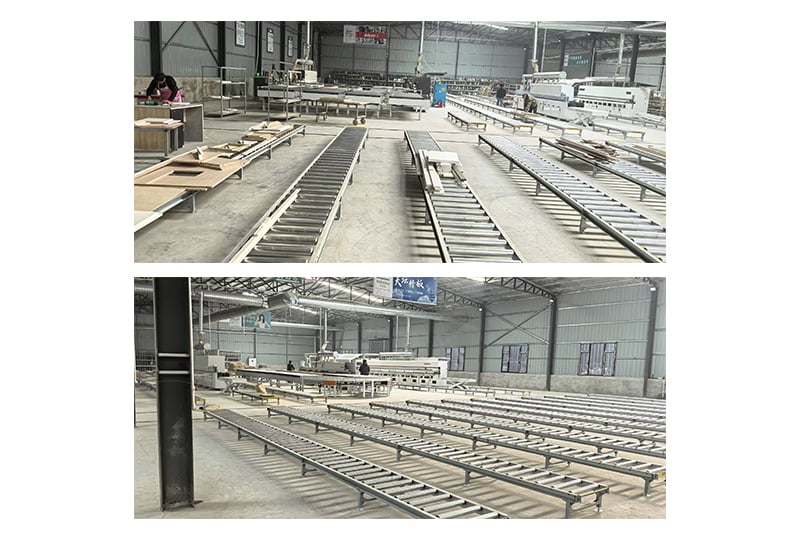
Our roller conveyor is engineered to deliver exceptional performance in material handling. It is designed for durability, with robust construction that withstands heavy loads and continuous use — which makes it suitable for industries like manufacturing, warehousing and logistics, where the conveyor runs all day and the cost of stopping is high.
The smooth-running rollers of the roller conveyor ensure seamless transportation of goods, reducing friction and minimizing wear and tear. Less wear means fewer replacements, and fewer replacements mean a lower cost per year of service. That is the practical meaning of cost-effective: not the cheapest invoice on delivery day, but the lowest total cost across the working life of the roller conveyor.
Key Features of Our Roller Conveyor
Where a Roller Conveyor Fits in Your Operation
A roller conveyor is a general-purpose solution, which is why it appears across so many production environments:
In each case, the roller conveyor takes over the repeated movement that consumes operator time and slows the line. The productivity gain does not come from running faster — it comes from running continuously.
How a Roller Conveyor Pays for Itself
The economics of a roller conveyor are straightforward, even if they are rarely spelled out:
Add these together and the roller conveyor becomes one of the least expensive ways to raise throughput in a workshop. Unlike equipment that requires a new building or a new process, a roller conveyor improves the workflow you already have.
Why Choose Us
We provide top-quality roller conveyors at competitive prices, backed by reliable customer support and fast delivery. Whether you are upgrading an existing system or setting up a new production line, our roller conveyors are the smart choice for boosting efficiency and productivity.
Support does not end with delivery. If the layout changes, if the product mix changes or if the roller conveyor needs additional sections, our team helps you plan the next step — because equipment that can grow with the business is part of what makes it cost-effective.
Getting Started with Your Roller Conveyor
Contact us today to learn more and get a customized solution for your business. To make the first response as useful as possible, share a few details: product weight and dimensions, the distance to be covered, the transfer points along the route and the equipment the roller conveyor must connect with.
From that information, we will propose a roller conveyor configuration — length, width, roller spacing and drive type — together with the price and delivery schedule.
Specifications We Confirm Before Production
Before manufacturing begins, we confirm the key specifications with you: the load each roller will carry, the overall length and width of the roller conveyor, the roller diameter and spacing, the frame material and finish, and whether the section should be gravity or powered. Confirming these details at the quotation stage avoids changes after production has started, and it is one reason roller conveyor projects are delivered on schedule.
Upgrade Your Line Without Breaking the Budget
If you are comparing options for material handling, the question is not simply what a roller conveyor costs, but what it returns. A correctly specified roller conveyor reduces manual work, keeps production moving and stays cost-effective for years.
Send us your requirements and we will show you the configuration that fits your line, your volume and your budget.
Inquiry: https://www.hongruis.com/Contact-us | Email: [email protected] | WhatsApp: +86 13695189851