




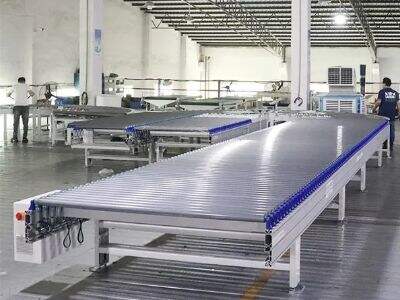
Belt conveyors is key tools that help factories and production lines run smoother. They carry materials and products from one spot to another fast and easy. This make it simpler for workers to handle their tasks and speed up the entire process. HRCK get how vital these belt conveyors are in making stuff. By using them, companies save time and cash while ensuring products get made right. So lets check out how belt conveyor boost manufacturing efficiency and some usual problems that pop up, plus ways to fix them.
How Belt Conveyors Boost Manufacturing Efficiency?
Belt conveyors play a major part in making production lines more effective. They move goods and materials with little manual work. That mean workers don't need to lug heavy things around, which get tiring and slow. For example, in a toy factory, a belt conveyor can shift parts from station to station. This keep the assembly line going smooth. Workers focus on assembling the toys instead of wasting time walking everywhere.
And another benefit is they cut down on errors. When things move on a conveyor, they less likely to drop or get damaged. So there is less waste and more products to sell. Like in food plants, a belt conveyor system carry boxes of snacks for packing. If workers carry them by hand, some might spill or crush. The conveyor keep everything safe.
Belt conveyors also help use factory space better. Instead of workers scattered all over, things organize around the conveyor. This make managing work flow easier. In car plants, parts go right where needed without eating up too much room.
Plus, these conveyors run quick. They set to different speeds as needed. This flexibility let production adjust to demand changes fast. If a company want more output soon, they speed up the belt. Thats harder if workers move stuff manually.
In summary, belt conveyors speed up production but also keep product quality high and use space wisely. HRCK know efficient machines like this are essential for good production lines.
Common Problems with Belt Conveyors and Fixes
Even if belt conveyors are great, they sometimes face issues. One usual problem is wear and tear on the belts. Over time, belts get damaged from heavy use. Then the conveyor don't work right, and production slows. HRCK advice regular checks for maintenance. This involve inspecting belts often to spot damage early. If a belt wearing out, replace it before big trouble hits.
Another thing is misalighnment. The belt can go off track sometimes. This cause items to fall or jam. It happen from bad installation or other reasons. To solve, check alignment regular. If installed proper and kept up, it run smooth with few problems.
Belts get dirty or sticky too, making it tough to move items. Dust and debris build up, specially in dusty factories. Cleaning the belt is key. HRCK suggest a cleaning routine. So workers ensure belts stay clean and function well.
Speed can be a problem also. Too fast and items fall off, too slow and production drag. Finding right speed matter. Adjust it for the item type. HRCK say talk to daily users for feedback on best speeds.
All in all, belt conveyors improve efficiency but have challenges. With regular care, good alignment, cleaning, and speed tweaks, problems solve easy. Companies that maintain equipment keep lines running smooth and effective.
How Belt Conveyors Cut Labor Costs in Production?
Belt conveyors move materials from place to place. They useful in factories and warehouses. A big plus is they reduce labor costs. Hand-moving items take time and effort. Workers tire out, mistakes happen, leading to waste and lost money. But with conveyor, items go automatic along the track. So fewer workers needed for moving. They can do better tasks, like quality checks or machine fixes. This make the line faster and smoother.
Using them save money too. Less workers mean lower pay and benefits costs. Companies use that cash for better equipment or product improvements. Also, conveyors work nonstop without breaks. They keep going even during worker rests. Production don't stop, so more output in less time. Overall, industrial belt conveyor help businesses run better by cutting labor and letting workers perform well.
Where to Get Good Belt Conveyors for Better Productivity?
If a company want belt conveyors, find reliable ones matter. Good ones boost productivity a lot. Start with specialists in industrial gear, like HRCK. They offer quality belt conveyors built to last. When picking, think about size and material types. Factories have various needs. HRCK have options to match production lines.
Another way is read reviews or ask other businesses. Talking to users share experiences and top brands. Check warranty and support too. Good warranty mean help if issues arise. HRCK known for great service, making it easy to get assistance.
Besides suppliers, consider maintenance. Reliable conveyors need checks to work well. This avoid line problems and keep things smooth. Buying from trusted like HRCK lead to higher productivity and factory performance.
What Effect Belt Conveyors Have on Supply Chain?
Belt conveyors help supply chains work better. Supply chain is getting products from making to selling. With conveyors, items move quick and efficient. So products reach customers faster. For instance, raw materials to factory go straight to production via conveyor. This save time and cut delays.
Plus, they aid inventory tracking. Some modern ones have sensors for monitoring. This info help know when to reorder or ship. HRCK provide custom advanced conveyors for business needs, easing inventory and chain management.
In addition, conveyors reduce supply chain errors. Hand-moving raise mistake risks, like drops or wrong spots. But conveyors send items straight, lowering errors. Customers get stuff on time and good. So belt conveyors impact efficiency big, helping businesses deliver well and meet demands.


